Your Gateway to Northern Ghana's Natural Wonders - Mole national Park
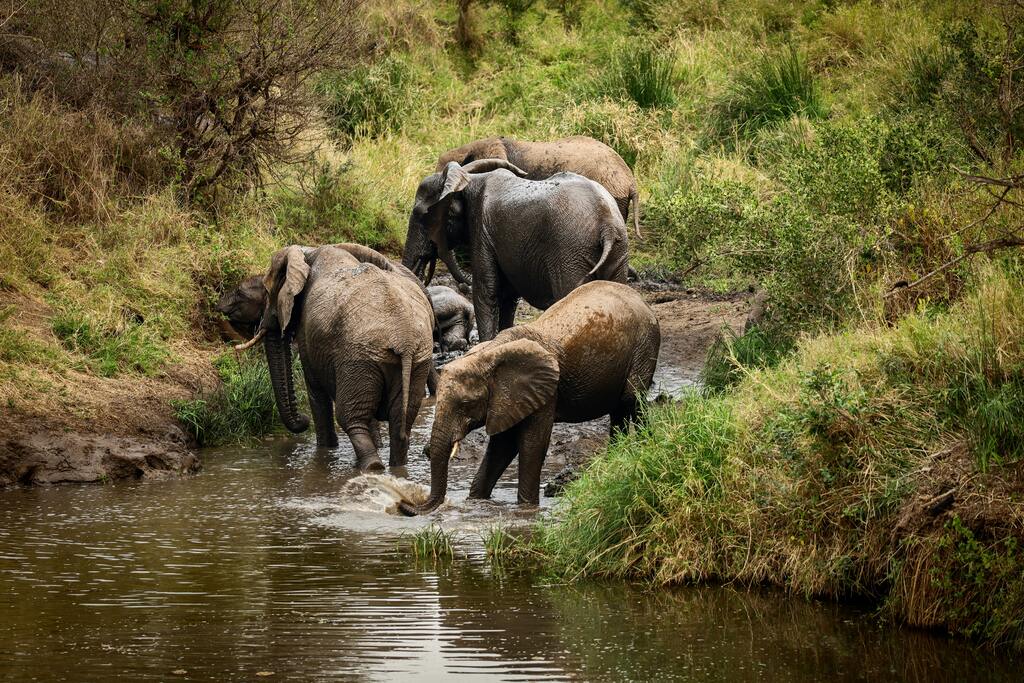
Group of Elephants taking water, Mole National Park
Mole National Park is not just Ghana’s largest and best-known wildlife reserve—it’s also the perfect base for exploring an entire region rich in biodiversity, culture, and scenic beauty. Located in the Northern Region, Mole offers a unique combination of savannah safaris, walking tours, and cultural immersion.
But the adventure doesn’t stop at Mole’s gates.
Using Mole as your base, you can discover a wide circle of natural attractions and protected areas that each offer something different—from hippo-filled rivers and sacred monkey sanctuaries to cascading waterfalls and ancient rock formations.
Let’s take a look at the incredible experiences waiting just beyond Mole.
A River-Cut Wilderness with Rare Wildlife
Just southwest of Mole, Bui National Park lies along the Black Volta River, covering 1,821 km² of savannah woodlands and riverine forest. Bui is home to Ghana’s largest population of hippopotamuses, making river safaris a signature activity.
Wildlife to Watch For:
Hippos in the Black Volta River
Elephants, baboons, green and patas monkeys
Antelope species like bushbuck and waterbuck
Over 250 species of birds, including the white-necked rockfowl and red-throated bee-eater
Top Activities:
Boat or canoe safaris to see hippos at close range
Hikes through river gorges and savannah hills
Bird-watching along forest corridors
Visits to local communities with strong cultural ties to the land
Distance from Mole: Approx. 3–4 hours by road
Why Go from Mole: Bui offers a quieter, river-centered contrast to Mole’s dry savannah ecosystem. It’s ideal for a 1–2 day extension.
Up-Close Hippo Encounters Along the Black Volta
Located near the border with Burkina Faso, the Wechiau Community Hippo Sanctuary is another exceptional location to view hippos in their natural habitat—this time in a fully community-managed conservation area.
Wildlife to Watch For:
Hippos (often seen in groups near the riverbanks)
Crocodiles, bats, and monitor lizards
Diverse birdlife, including kingfishers, hornbills, and herons
Top Activities:
Guided canoe trips to spot hippos at dawn or dusk
Birdwatching with local guides
Exploring traditional Lobi and Gurune communities
Distance from Mole: Approx. 4–5 hours by road
Why Go from Mole: It’s perfect for travelers looking to support eco-tourism and witness successful community-based wildlife protection.
Ghana’s Oldest Mosque & a Historic Town
Just minutes from Mole, Larabanga offers a unique cultural detour. Its 14th-century mud-and-stick mosque is Ghana’s oldest, and the town is deeply rooted in history, mysticism, and oral tradition.
Wildlife Connection:
While Larabanga is cultural, it’s tightly integrated with the Mole ecosystem. You can often see baboons and birds around the outskirts, particularly near the fringes of the park.
Top Activities:
Visit the Larabanga Mosque
Hear local legends at the Mystic Stone
Combine with a walk or drive into Mole for an afternoon safari
Distance from Mole: Less than 10 minutes
Why Go from Mole: It's a quick, meaningful cultural extension to a nature-based itinerary.
Kintampo Waterfalls & Falls Park: A Refreshing Natural Break
Northern Ghana’s Most Scenic Waterfall
A few hours south of Mole, Kintampo Waterfalls cascades over a series of rock steps surrounded by lush forest—offering a perfect cool-down after dry savannah adventures.
Wildlife to Watch For:
While wildlife is minimal here, the area supports forest birds and butterflies in the surrounding woodland.
T
op Activities:
Swim in the lower pools of the waterfall
Explore nearby hiking trails
Visit the Boabeng-Fiema Monkey Sanctuary en route
Distance from Mole: Approx. 4–5 hours by road
Why Go from Mole: It’s an ideal mid-point if you’re heading south from Mole, adding a scenic and relaxing nature spot to your route.
Boabeng-Fiema Monkey Sanctuary: Sacred Forest of the Monkeys
Human & Wildlife Harmony in Action
Located in central Ghana, this sanctuary is one of the few places where monkeys and humans live side-by-side in peace, protected by local customs that forbid harming the animals.
Wildlife to Watch For:
Mona monkeys (often seen in town!)
Black-and-white colobus monkeys
Forest birds and butterflies
Top Activities:
Guided walks in the forest to view monkeys
Learn about traditional beliefs that protect local biodiversity
Visit the monkey cemetery—yes, really!
Distance from Mole (via Kintampo): Approx. 5–6 hours total
Why Go from Mole: A fascinating addition to your journey south, showing how culture and conservation intertwine.
A Remote Frontier for Adventurous Travelers
Stretching along the western shores of Lake Volta, Digya National Park is one of Ghana’s most remote protected areas. It’s rarely visited, but offers vast wilderness, boat access, and a sense of true exploration.
Wildlife to Watch For:
Elephants and buffalo (less commonly seen due to thick vegetation)
Large groups of manatees and hippos in the lake’s backwaters
Birdlife around the lake edges
Top Activities:
Canoe trips on Lake Volta
Multi-day treks or camping experiences (if arranged in advance)
Boat access from selected lake communities
Distance from Mole: Long travel—best combined in a southbound trip
Why Go from Mole: For serious adventurers looking to add an untamed destination after Mole or Bui.
Plan Your Multi-Park Safari Around Mole
Sample Itinerary from Mole:
Days 1–3: Mole National Park – Game drives, walking safaris, and cultural visits in Larabanga
Days 4–5: Bui National Park – Hippos, river safaris, forest hikes
Day 6: Wechiau Hippo Sanctuary – Community-based wildlife experience
Day 7: Kintampo Waterfalls – Refreshing stop en route south
Day 8: Boabeng-Fiema Monkey Sanctuary – Sacred monkeys and forest strolls
(Optional extension: Digya National Park or onward to Lake Volta or Eastern Ghana)
Mole is More Than a Safari—It’s a Launchpad
Mole National Park isn’t just a wildlife destination—it’s your hub to unlock the wild beauty, culture, and biodiversity of northern and central Ghana. From hippos in Bui and Wechiau to sacred monkeys in Boabeng-Fiema, and waterfalls in Kintampo, Mole connects it all.
With its established infrastructure, expert guides, and central location, Mole gives you the best of both worlds: unforgettable savannah safaris and access to Ghana’s lesser-known eco-gems.